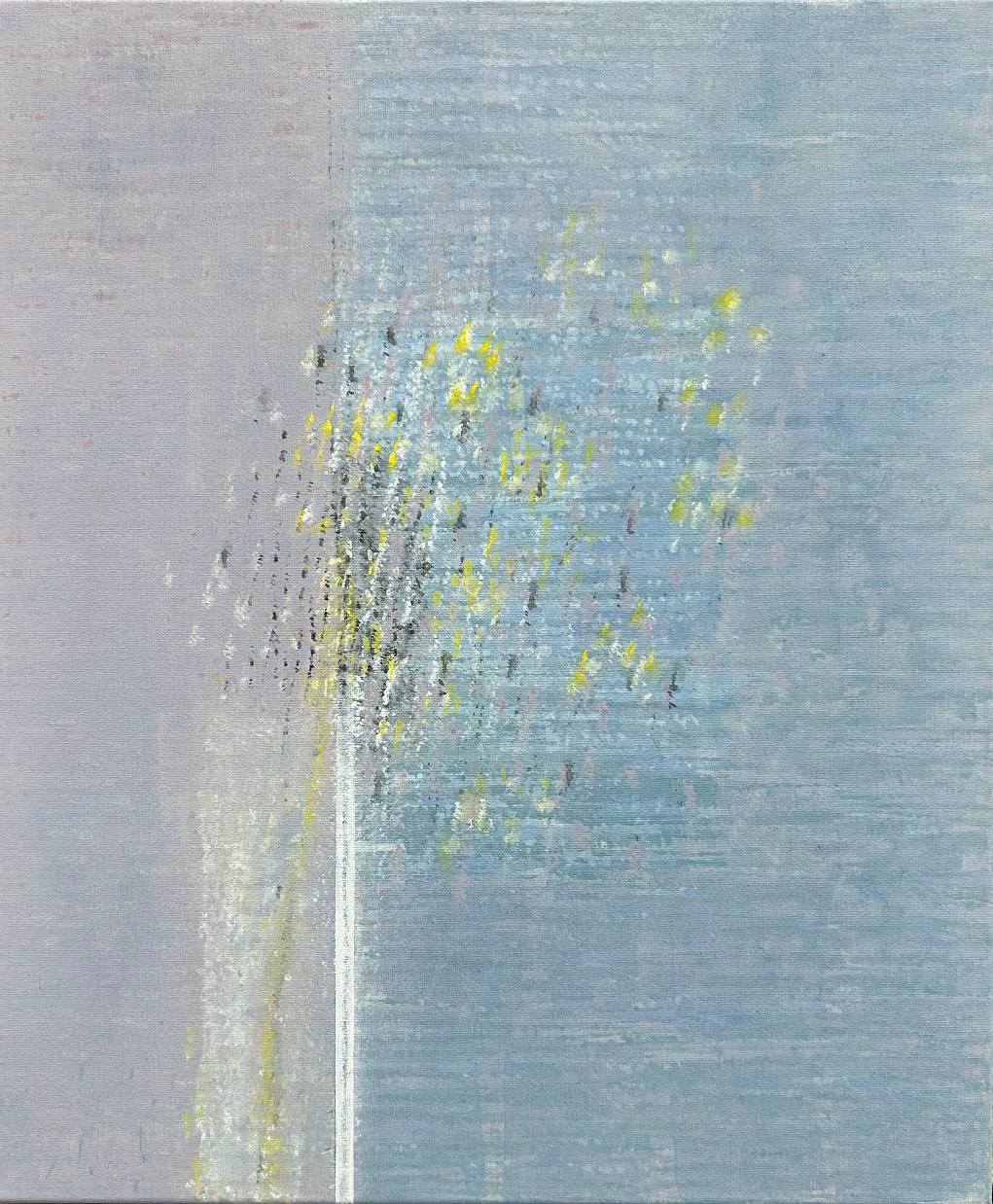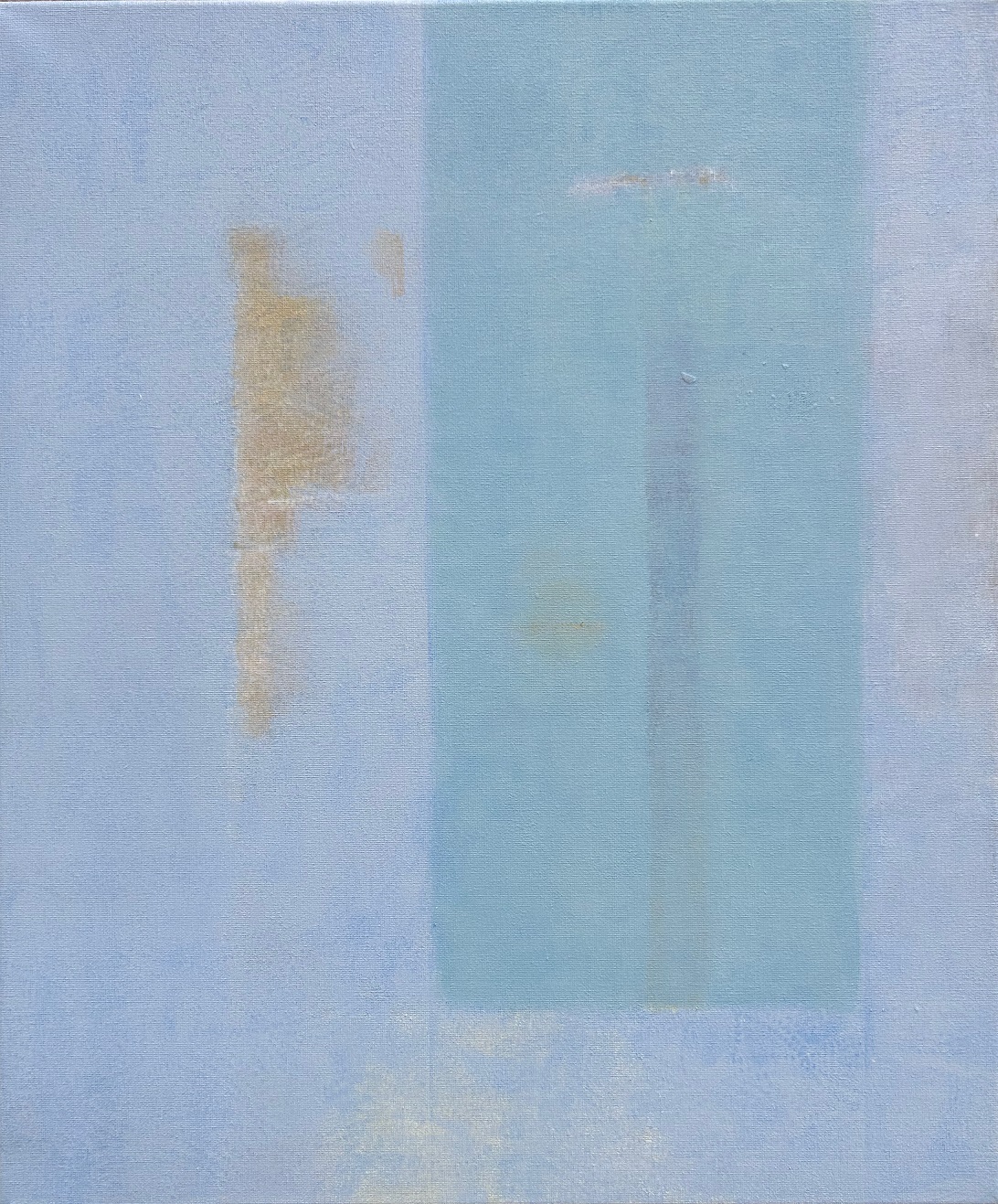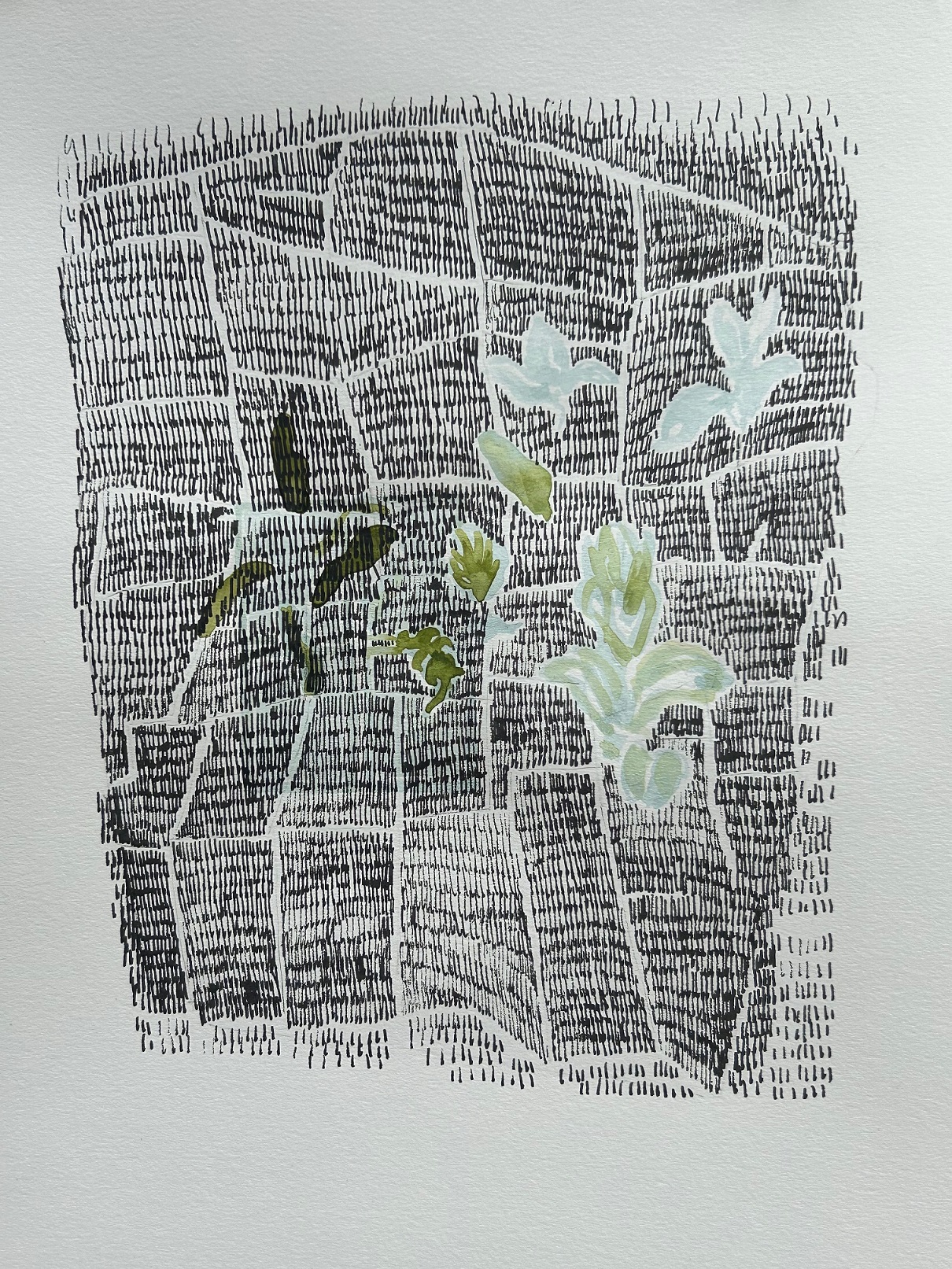



In the history of European art, the term ‘still life’ refers to the depiction of inanimate or religious objects, such as fruit, flowers, game, glasses, instruments, books, musical instruments, letters and inkwells, etc. The selection and arrangement of the subjects were guided by thematic and aesthetic considerations. A still life depicts an interior and is thus clearly distinct from landscape painting.
Still life remains relevant in the contemporary art scene, and we can look to many contemporary examples that explore themes of stillness in new ways through today’s interiors.
In this seminar, too, we will explore questions of abstraction and realism. Individual themes will be developed using experimental methods. Composition, form, light and perspective introduce us to aesthetic considerations, and the question of ‘how’ a picture should be leads us directly to questions of expression. In still life, in particular, it is the different moods we wish to convey that matter. In this intensive workshop, participants will develop their own still lifes and become aware of their own inner worlds.
Each participant will explore and develop their own approaches to individual artistic expression. It is an inherently creative process that brings inner treasures to the surface. Participants will contribute their individual ideas and experiences on the theme of still life to their painting, and the pictures will be developed step by step through discussions and guidance. There will be personal and group work reviews, as well as a daily lecture on art history. All of this deepens the learning process and the further development of individual artistic work.