


I have to dismantle the raised bed in our garden again. The wood is rotten. It was a mistake to place it on the slope, where a good portion of the timber had to be sunk into the ground. That’s how the damp got in first, followed by a vast colony of ants. The boards have broken free from their fixings and sought their way to freedom. With them, the annual tomato and courgette patch has vanished. A long-foretold farewell. Nature goes where it will. That is the way of the world. Entropy, say the physicists, is increasing. According to the second law of thermodynamics, everything is heading towards its dissolution.
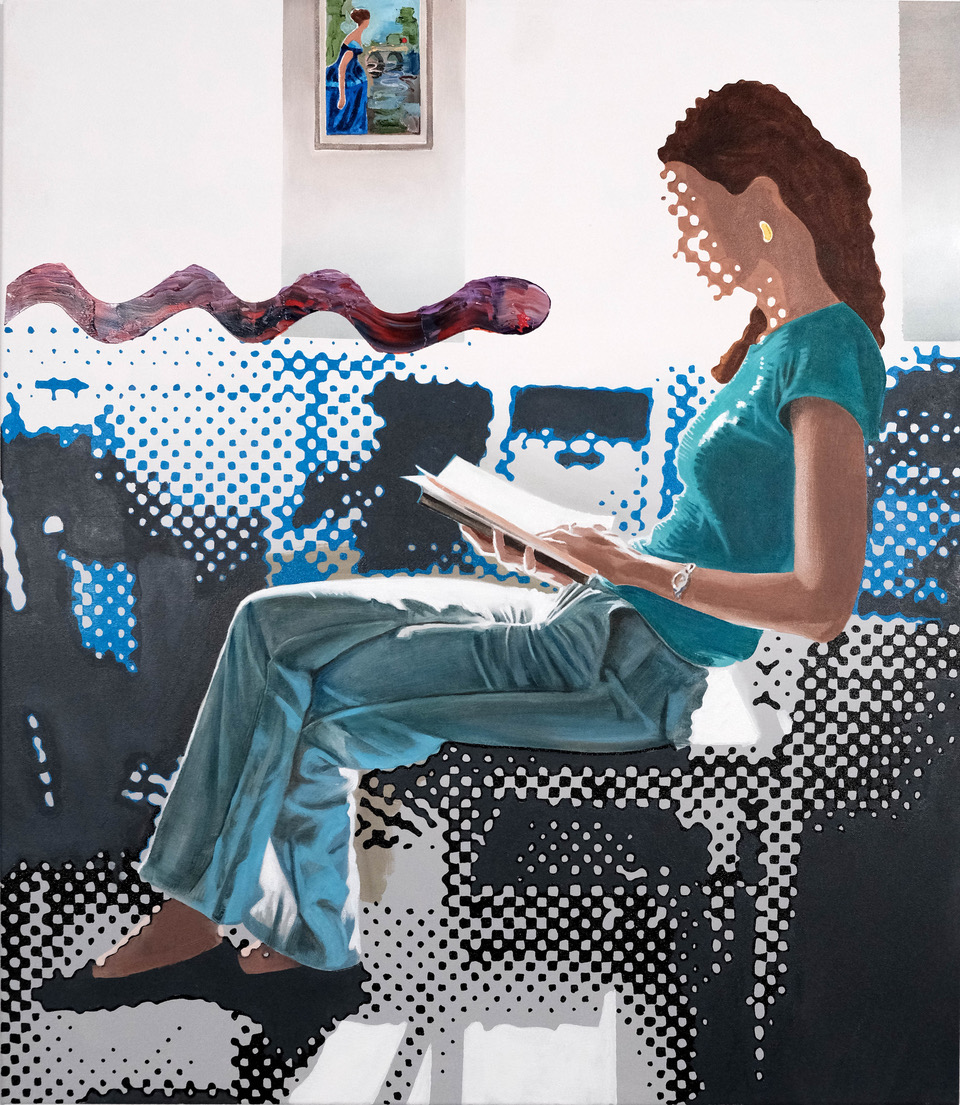
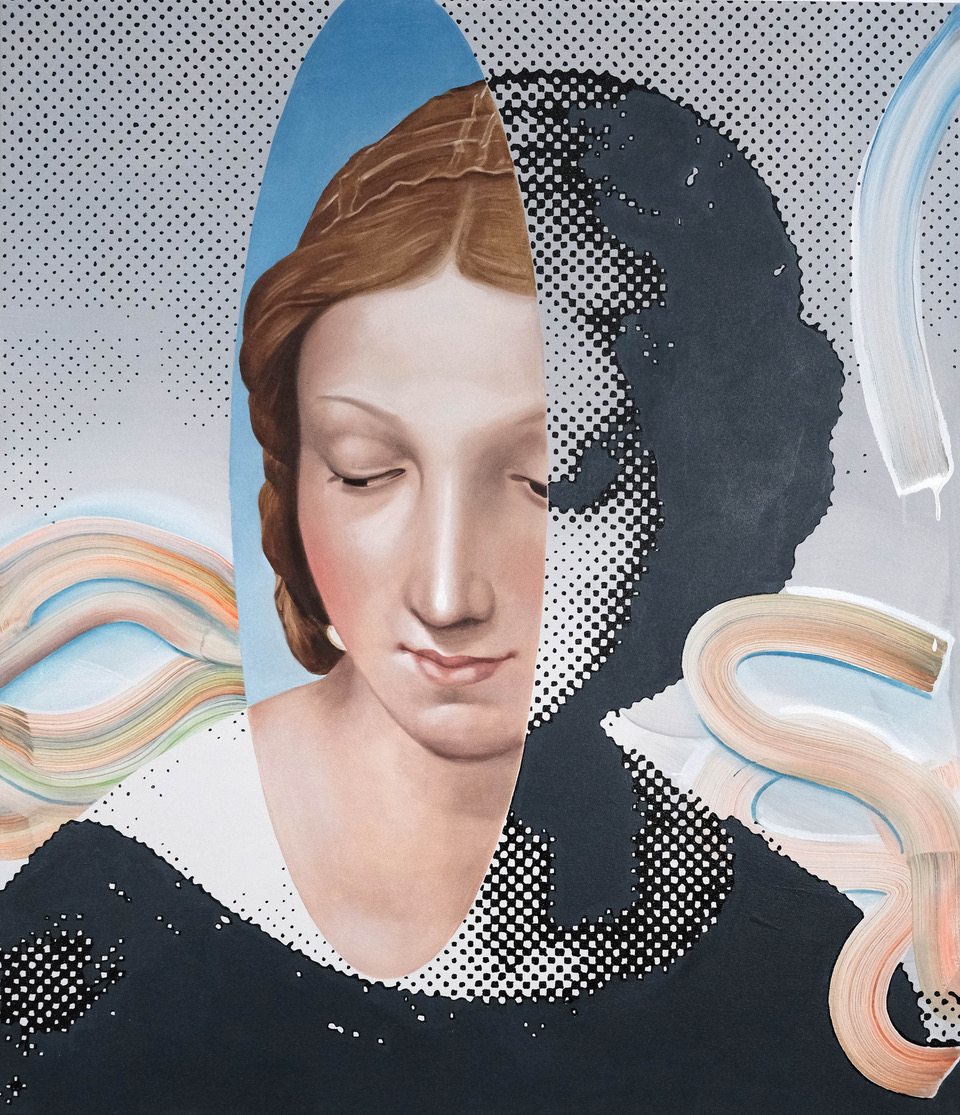
As artists, we must not put up with this. We must resist. Destructiveness must be countered with images: art for eternity. The paintings of Raphael and Caravaggio have lasted longer than my raised bed. And the vegetables in the Dutch still-life paintings are still a delight to look at today. After all, I had only created the raised bed to look at the vegetables. The snails ate them. So I have returned from my brief foray into agriculture to my actual profession and am painting pictures. Anyone who would like to follow my example is warmly invited to this course. Instead of composting, we compose. Instead of organic waste, there is painting. Instead of rubbish for the bin, there is a place in the sun. Acrylic and oil and splendour and glory.