



Experimental Drawing
The wonderful season of autumn invites us to make all sorts of observations. The coloured leaves may already have fallen to the ground in great numbers, and yet autumn is a sight to behold: those colours and that crisp air that brushes against your nose. Perhaps there is already a hint of snow in the air and you can almost smell it. And we are familiar with the mist that slowly fills the woods and fields. What does nature do in autumn? Nature withdraws. It sheds everything old to quiet the sap, turn inwards and build up new strength, which then rests completely in winter and sprouts anew in spring.
But autumn is also a time of harvest. You can even harvest plenty of berries in late autumn. The last flowers are still in bloom. The many fruits that can be harvested at the start of autumn may already be stored away, ready for us to get through the winter in good health.
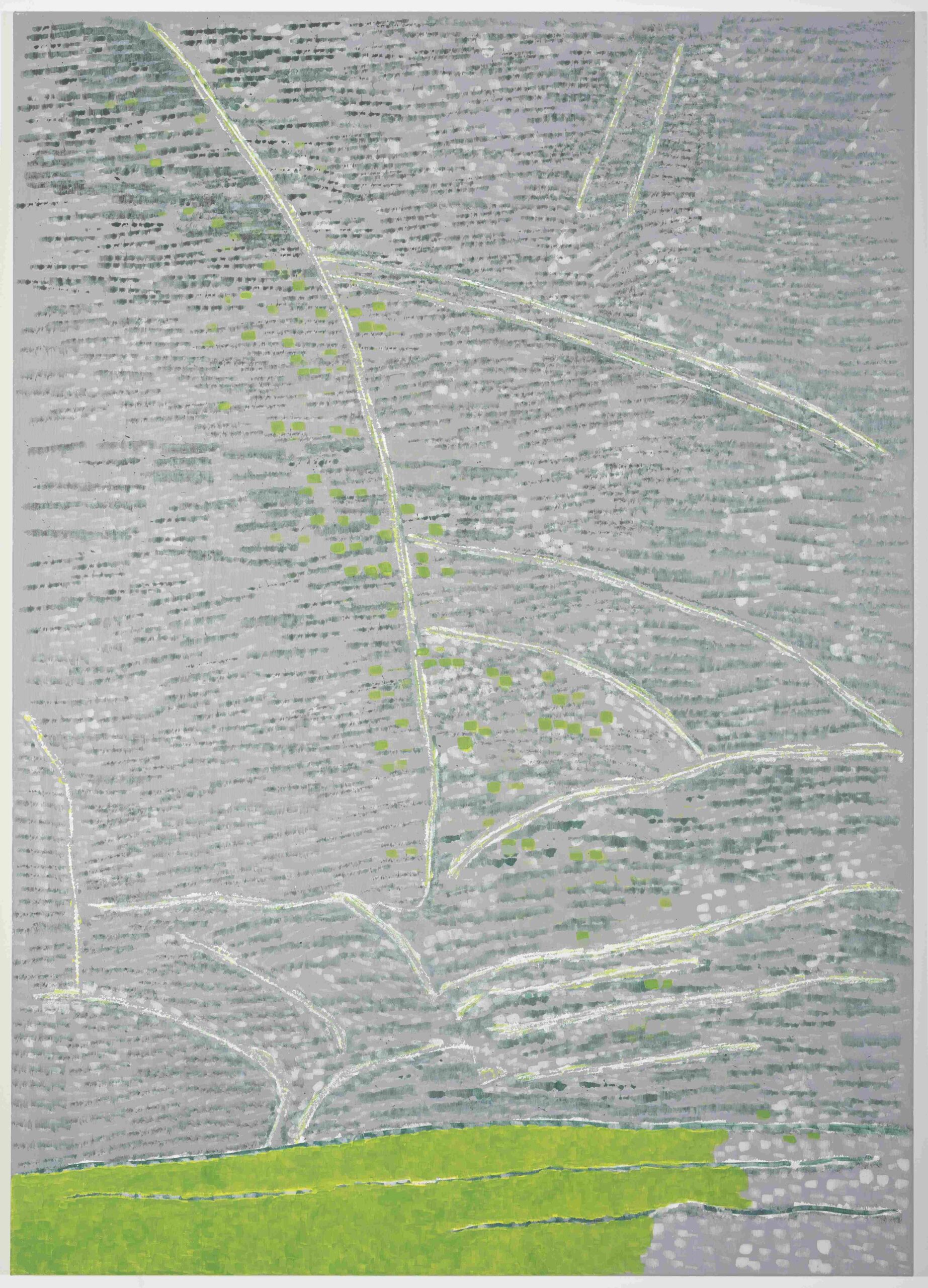
Autumn is also a time when we experience a sense of simplification. This applies to drawing and painting too. This simplification lends works great power and depth.
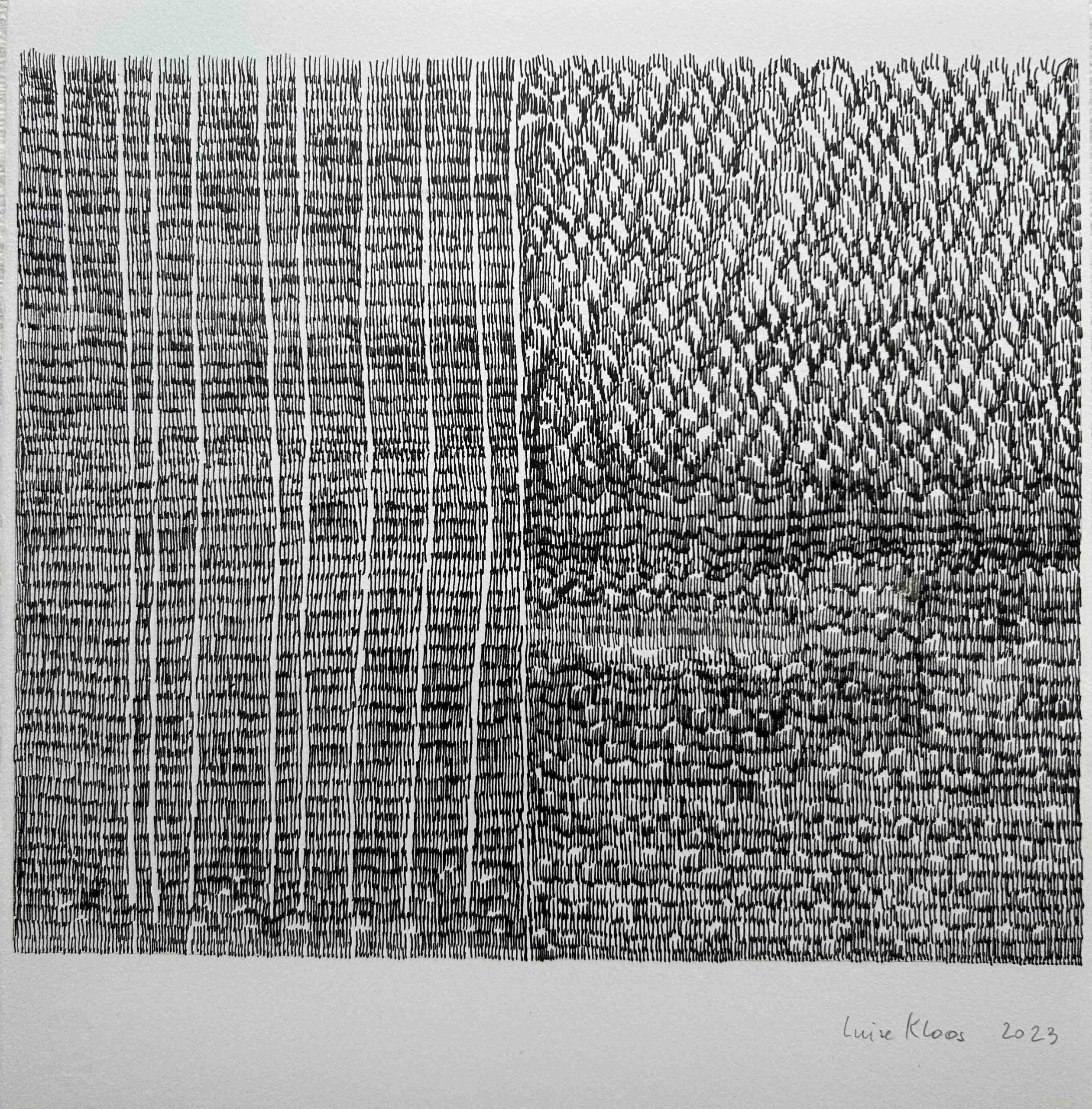
The beginning of drawing is akin to nature: just as the tree lets go of its leaves, so must we let go of troublesome thoughts, worries, cares and thoughts of work or events in order to find ourselves, to achieve good drawing. The freely flowing pencil is, first and foremost, an invitation to focus on the quality of the line and, through the drawing process, to gradually arrive at the moment of letting go and being at one with oneself.
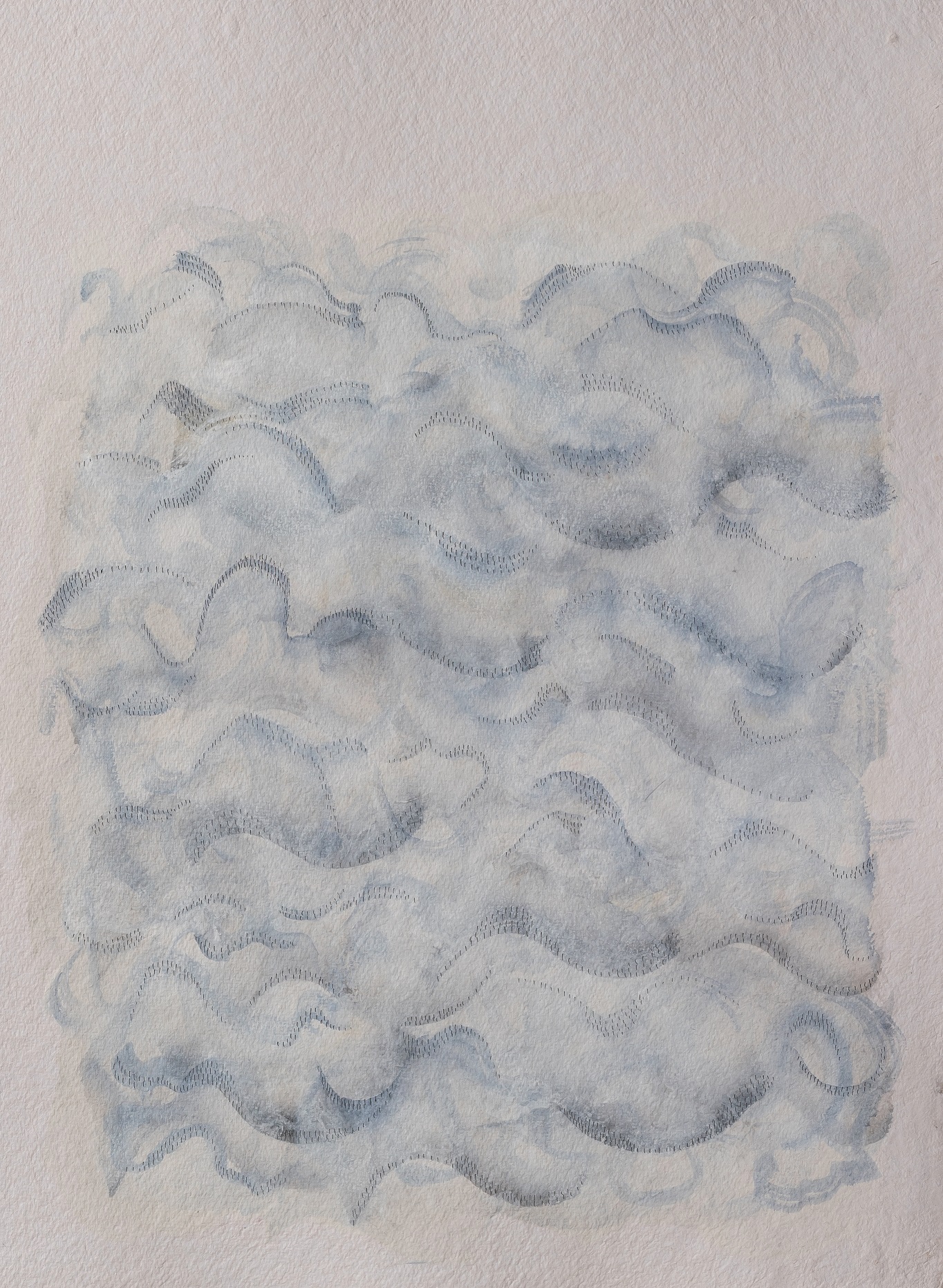
The exercises are tailored to each individual and focus on exploring the mood within the line through formal elements, questions of vitality and geometry, as well as perspective, space and light.
Suitable for beginners and advanced students. Also available in English. The two workshops can also be booked individually.