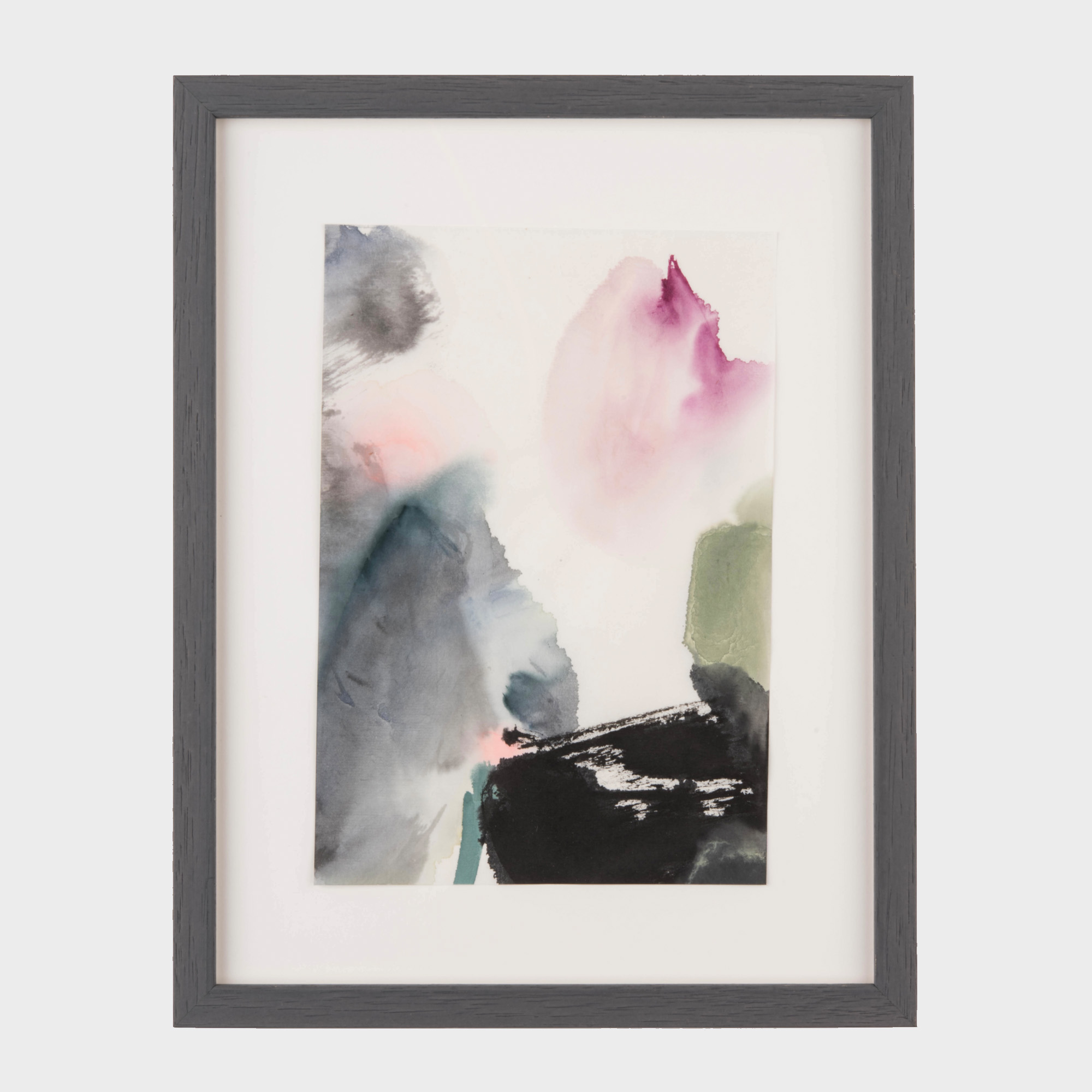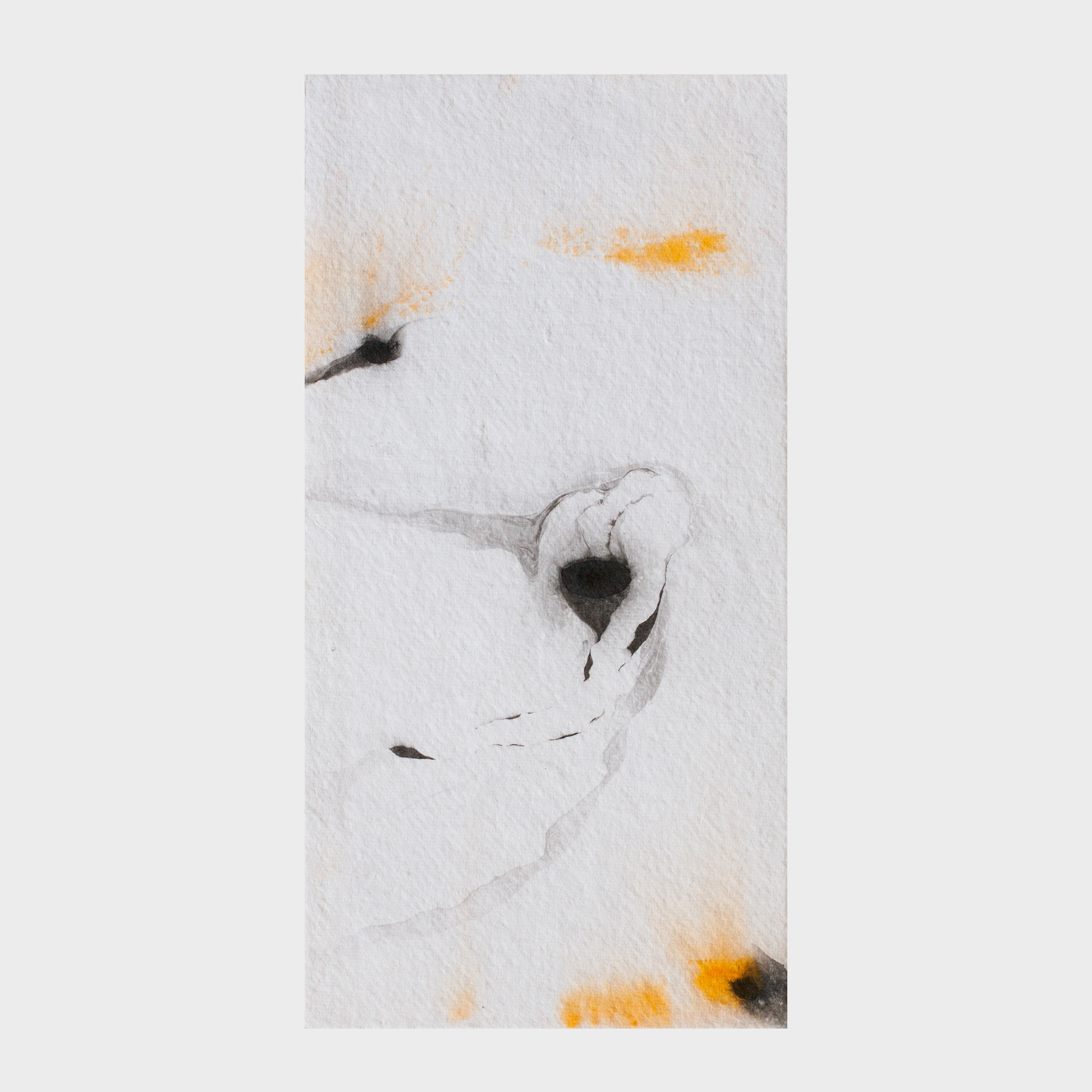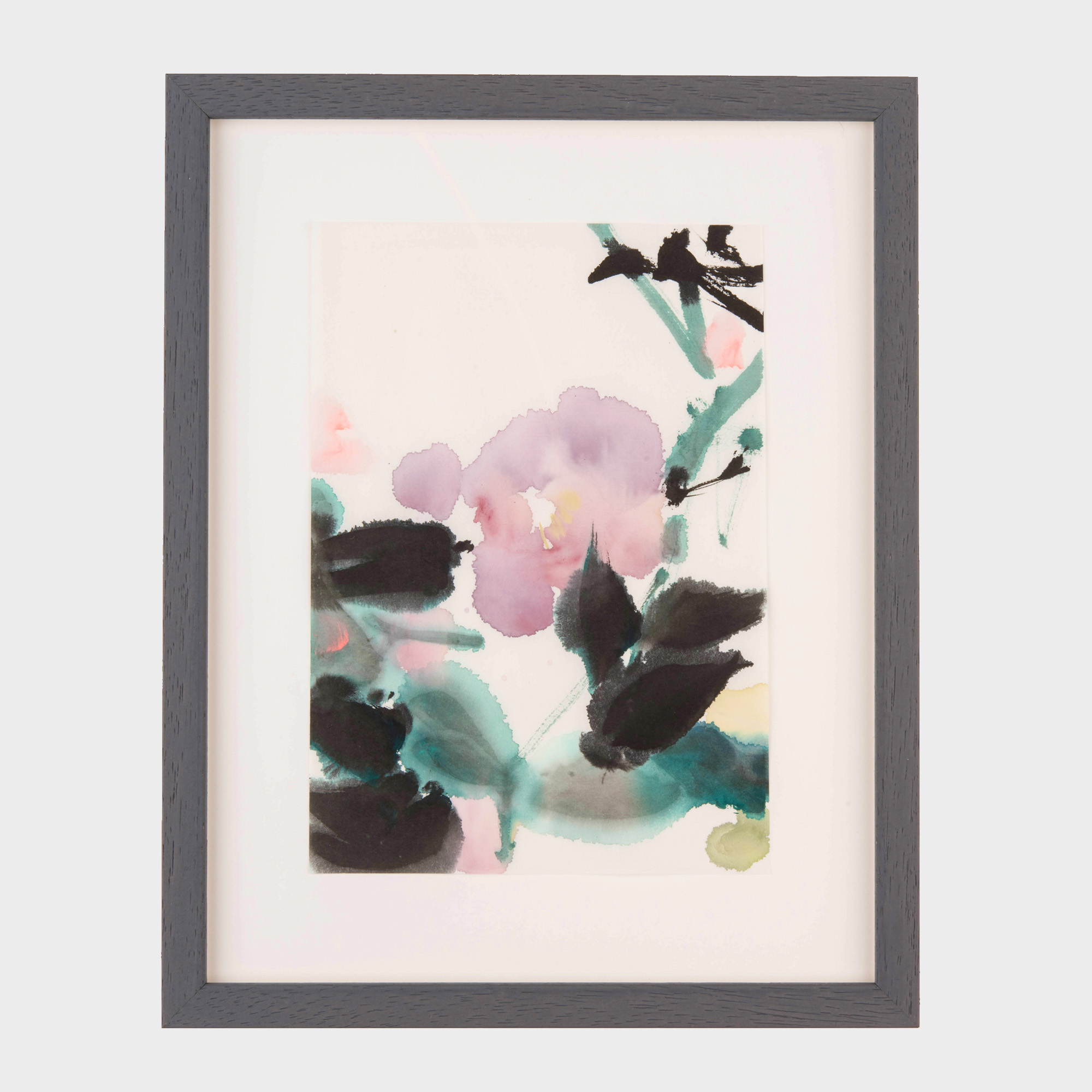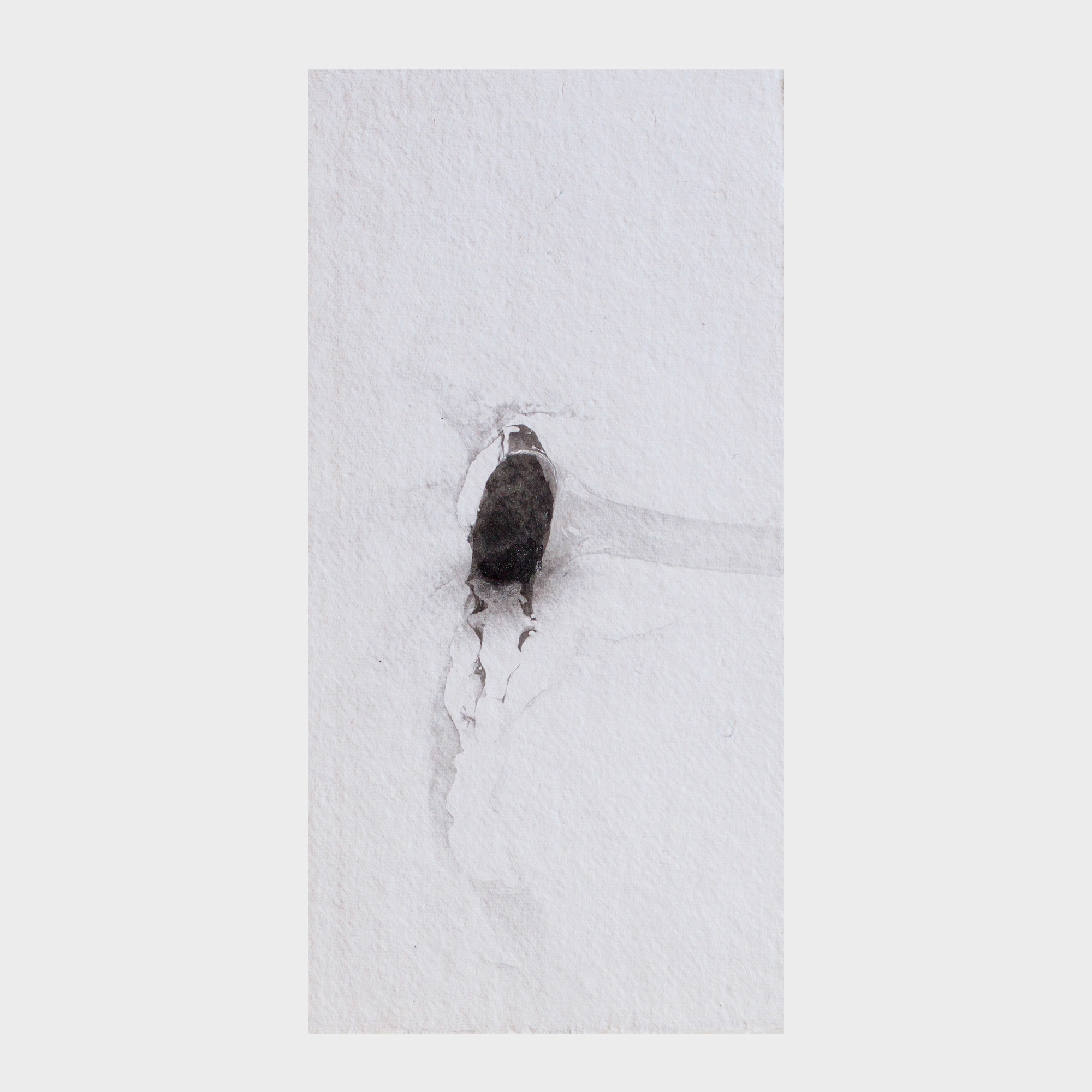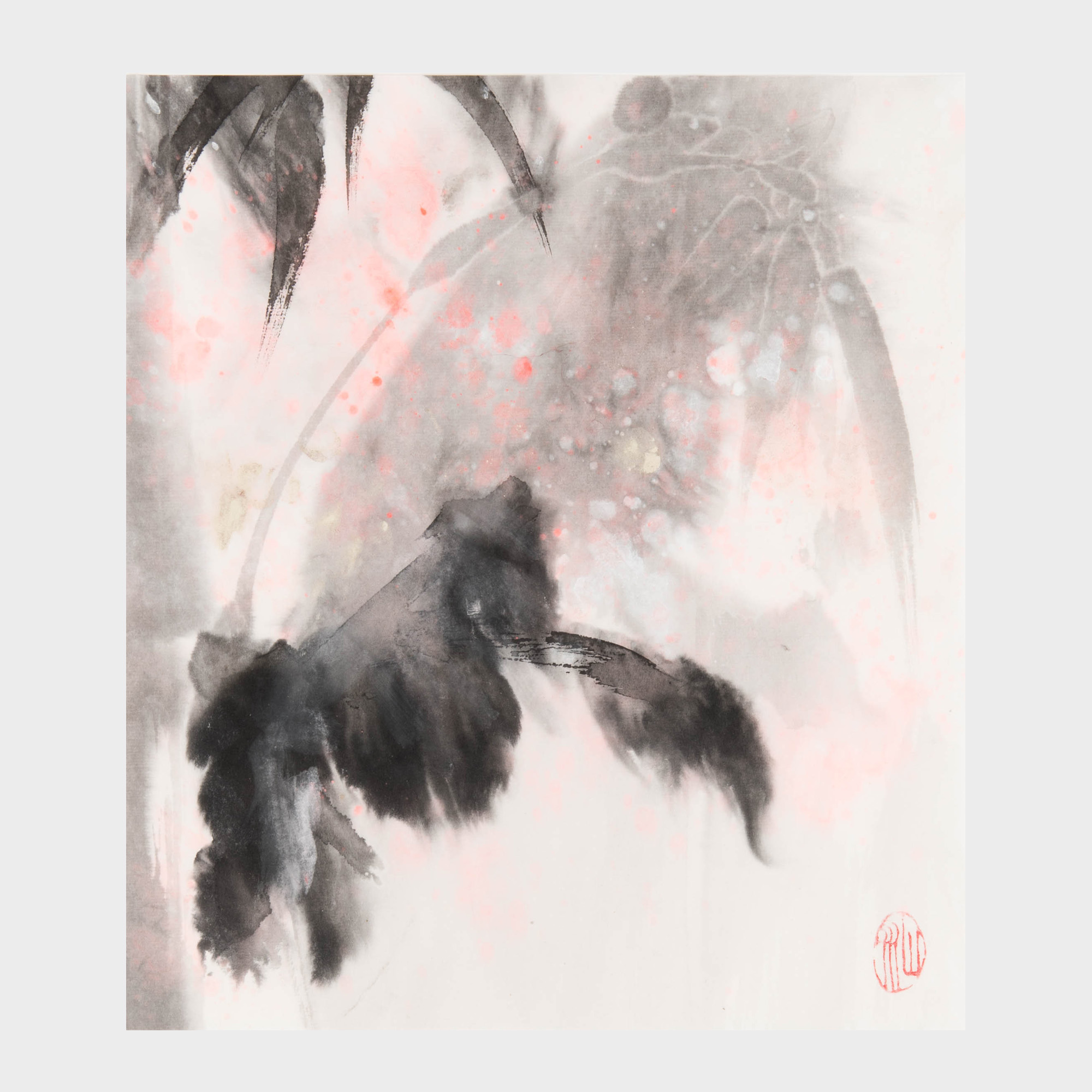



This weekend course explores the interplay between fullness and emptiness in Japanese painting. Drawing on the East Asian painting tradition, we will examine how emptiness functions as an active component of a picture. Here, filled and unpainted areas are not in contrast to one another, but rather are interdependent and shape the rhythm, balance and tension of a composition. The focus is less on a fixed aesthetic principle than on the concrete perception of relationships: where does an image become denser, and where does it open up? How do tension and balance shift when forms are introduced, repeated, omitted or toned down?
In practice, we work with abstract forms and free, gestural brushstrokes, using black ink and gouache on Japanese paper. A key focus is on the density of the ink: we explore the ‘shades’ of black, from deep, concentrated black to delicate, almost transparent shades of grey, and examine how depth, atmosphere and movement are created through layering, dilution and different application techniques.
Alongside this, the tutor provides insights into philosophical concepts of the so-called ‘effective emptiness’ as a Japanese aesthetic principle. Around a third of the course time is devoted to the philosophical introduction, group discussion and dialogue. The theoretical input remains closely linked to the participants’ own work and is intended to stimulate the development of a personal visual language.